



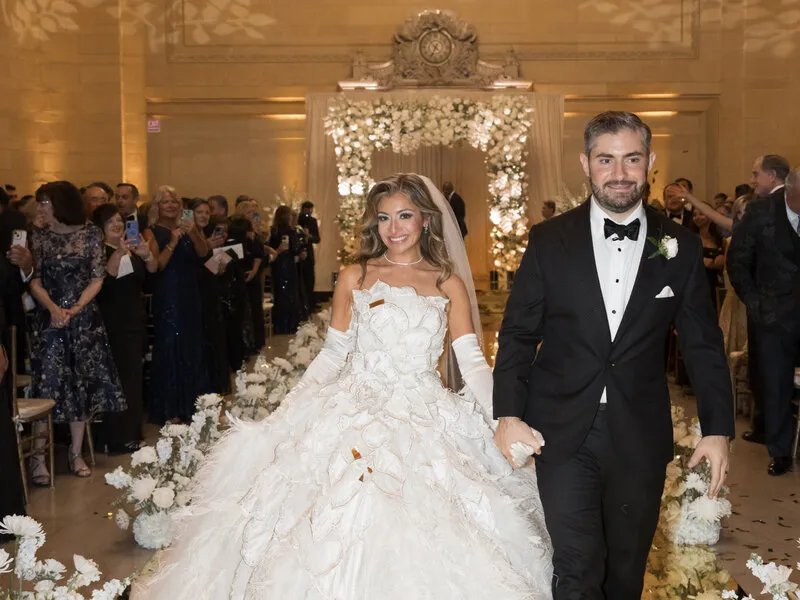
Wedding attire is more than simply choosing a beautiful dress, suit, or traditional outfit. The right wedding outfit should match the dress code, season, venue, time of day, and overall style of the celebration. Whether you are attending a formal evening wedding, a relaxed garden ceremony, a beach celebration, or a traditional family event, understanding the expected level of dressing can make choosing an outfit much easier.
In 2026, Wedding attire guest fashion gives people plenty of room to express their personal style while still respecting the occasion. Current fashion guidance continues to emphasize reading the invitation first and then considering the venue, season, and time of day. Formal, black tie, cocktail, semi-formal, and casual weddings each have different expectations, while destination and cultural weddings can require additional consideration.
Wedding Attire Quick Facts
| Quick Fact | Details |
|---|---|
| Topic | Wedding Attire |
| Main Purpose | Choosing appropriate clothing for weddings |
| Key Consideration | Wedding dress code |
| Common Dress Codes | Black tie, formal, cocktail, semi-formal, casual |
| Important Factors | Venue, season, time of day, culture, weather |
| Women’s Options | Dresses, gowns, jumpsuits, skirts, dressy separates |
| Men’s Options | Tuxedos, suits, blazers, dress trousers |
| Daytime Weddings | Usually lighter colors and fabrics can work well |
| Evening Weddings | Darker colors and more formal fabrics are often suitable |
| Beach Weddings | Lightweight and weather-appropriate formalwear |
| 2026 Trend Direction | Personal style combined with polished, occasion-appropriate dressing |
| Main Color Consideration | Avoid white or bridal-looking shades unless specifically requested |
| Accessories | Shoes, jewelry, bags, ties, pocket squares and other finishing pieces |
| Best Starting Point | Follow the invitation’s stated dress code |
What Does Wedding Attire Mean?
Wedding attire refers to the clothing and accessories worn by guests, members of the wedding party, and sometimes the couple during wedding-related celebrations. The phrase can cover everything from a formal tuxedo or evening gown to a polished daytime dress, tailored suit, traditional cultural clothing, or smart casual outfit. Because weddings can take place in very different settings, there is no single outfit that works for every celebration.
The invitation normally provides the most useful starting point. If it says black tie, formal, cocktail, semi-formal, or another specific dress code, guests should use that information as the foundation for their outfit. Current wedding guidance also recommends considering the venue, time of day, season, and weather when interpreting the dress code. For example, an evening hotel wedding generally calls for a different level of formality than an afternoon garden celebration.
Wedding attire is also influenced by personal style and cultural traditions. A guest may choose an elegant Western dress, a tailored suit, a jumpsuit, or traditional clothing depending on the event. The goal is to look polished while remaining appropriate for the couple’s celebration. When an invitation provides specific instructions about colors, cultural clothing, or themes, those instructions should take priority over general fashion rules.

Understanding Black Tie Wedding Attire
Black tie is one of the most formal wedding dress codes guests commonly encounter. For men, traditional black-tie attire generally means a tuxedo with formal accessories, while women may choose a floor-length gown or another highly polished evening look. Modern interpretations can offer some flexibility, but the overall appearance should remain sophisticated and clearly suited to a formal evening celebration.
Black tie does not necessarily mean that every guest must wear black. Rich jewel tones, elegant neutrals, and sophisticated evening colors can all work depending on the wedding’s setting. The important point is the level of formality rather than simply the color of the clothing. Fabrics such as satin, velvet, silk, and other refined materials can create an appropriately elevated appearance, especially for evening celebrations.
Guests should also pay attention to footwear and accessories. A highly formal outfit can lose its polished appearance when paired with overly casual shoes or everyday accessories. At the same time, comfort matters because weddings often involve several hours of standing, walking, dining, and dancing. A carefully selected formal outfit that remains comfortable throughout the celebration can make the entire experience more enjoyable.
Formal Wedding Attire for Guests
Formal wedding attire sits below the strictest black-tie expectations while still requiring a sophisticated and polished appearance. For women, options can include an elegant maxi or midi dress, refined jumpsuit, sophisticated separates, or another dressy outfit. For men, a dark or tailored suit with a dress shirt and appropriate accessories is generally suitable. The exact interpretation can depend on the invitation, venue, and time of day.
Formal attire does not necessarily require a tuxedo or a floor-length gown. This is one of the most common points of confusion for wedding guests. A formal dress code gives guests some flexibility while still asking them to avoid clothing that looks distinctly casual. Well-fitted tailoring, elegant fabrics, polished footwear, and coordinated accessories can help create the right level of sophistication.
Color can also change the overall impression of a formal outfit. Darker tones often work naturally for evening weddings, while softer colors and lighter fabrics can be suitable for daytime celebrations. However, the venue and season should always be considered together with the dress code. A formal summer wedding may call for a different material and color palette than a formal winter evening event.
Cocktail and Semi-Formal Wedding Attire
Cocktail attire is a popular wedding dress code because it gives guests a balance between formal dressing and personal expression. Women can often choose cocktail dresses, midi dresses, sophisticated jumpsuits, or dressy separates, while men can generally wear a well-tailored suit or blazer with dress trousers. The exact level of formality can vary depending on the wedding.
Semi-formal attire is generally more relaxed than cocktail dressing but should still look intentional and polished. A guest might select a refined midi dress, dressy separates, or an elegant jumpsuit, while a man could wear a suit or coordinated blazer and trousers. Current guidance emphasizes that semi-formal is influenced strongly by the venue, season, and time of day.
The advantage of cocktail and semi-formal dress codes is the opportunity to introduce more personality. Florals, interesting textures, tasteful prints, colorful accessories, and modern silhouettes can all work when they remain appropriate for the event. The objective is to appear dressed for a celebration rather than looking as though you are attending an ordinary casual gathering.
Wedding Attire for Men
Men’s wedding attire can range from a traditional tuxedo to a lightweight suit, depending on the dress code. For black-tie celebrations, a tuxedo is the classic choice. Formal weddings generally call for a polished suit, while cocktail events allow a tailored suit or sophisticated combination of jacket and trousers. For more relaxed weddings, smart separates can be appropriate when they fit the setting and invitation.
Fit is one of the most important elements of men’s wedding clothing. Even a relatively simple suit can look sophisticated when the shoulders, sleeves, trousers, and jacket length are properly fitted. A well-chosen shirt, polished shoes, coordinated belt, tie, pocket square, and watch can complete the look without making it unnecessarily complicated.
Color and fabric should also reflect the occasion. Darker suits are naturally suited to many evening weddings, while lighter shades and breathable fabrics can work particularly well for daytime or warm-weather celebrations. Linen and lightweight tailoring may be useful for outdoor or destination weddings, provided they still match the requested dress code. The Knot similarly emphasizes the importance of location, time of day, and season when selecting cocktail wedding clothing.
Wedding Attire for Women
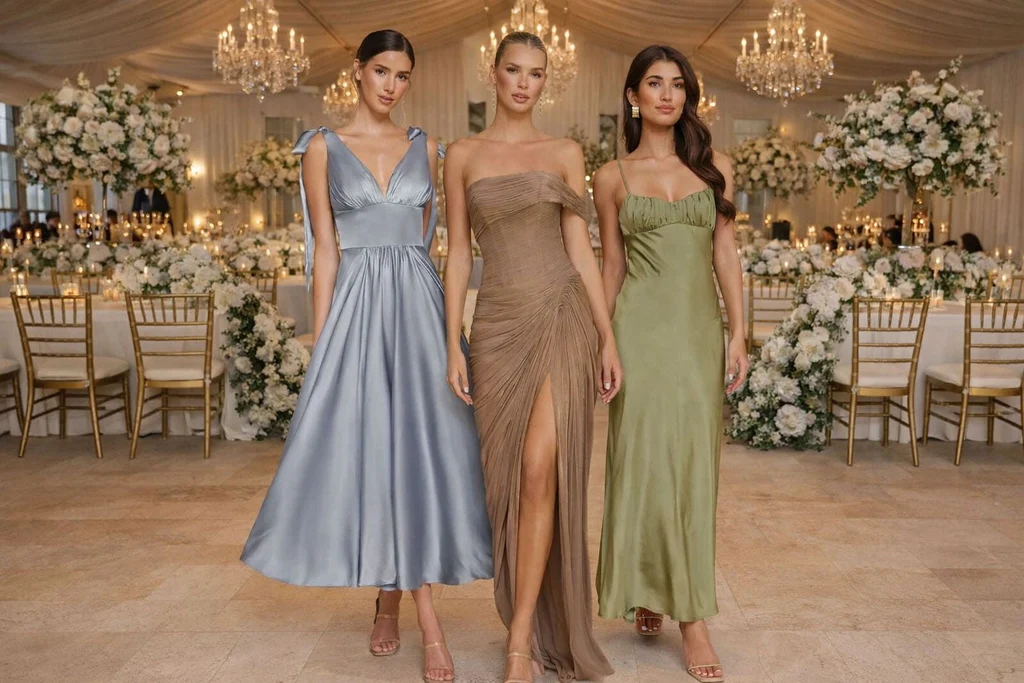
Women’s wedding attire offers an especially broad range of choices. Depending on the dress code, a guest might wear a floor-length gown, midi dress, cocktail dress, elegant jumpsuit, tailored suit, skirt and top combination, or culturally appropriate traditional clothing. The most suitable option depends on how formal the wedding is and what the invitation requests.
Silhouette and fabric can transform the same basic outfit from casual to formal. A simple dress in cotton may work for a relaxed daytime celebration, while satin, silk, velvet, lace, or other elevated fabrics can create a more formal appearance. Current 2026 fashion coverage is also highlighting romantic details, structured silhouettes, draping, lace, fringe, and luxurious textures for special-occasion dressing.
Accessories provide another way to personalize wedding attire. Jewelry, handbags, shoes, hair accessories, and outer layers can complement an outfit without competing with it. The best accessories are those that fit the dress code and allow the guest to remain comfortable throughout the ceremony and reception. Weddings often last for many hours, so practical considerations such as footwear and weather protection are just as important as appearance.
Wedding Attire by Season and Venue
Season plays a major role in wedding outfit selection. Spring and summer weddings often allow lighter fabrics, brighter colors, floral patterns, and breathable tailoring. Fall and winter celebrations can support richer colors, heavier textures, velvet, layered outfits, and more substantial outerwear. These are general styling directions rather than strict rules because the invitation and venue remain more important than seasonal fashion trends.
The venue provides another major clue. A formal ballroom wedding may require considerably dressier clothing than a backyard ceremony. Beach weddings can call for lightweight fabrics and footwear suited to sand, while garden weddings may require practical shoes that are comfortable on grass. A destination wedding can also require guests to consider heat, humidity, wind, travel, and local customs when selecting clothing.
Time of day can help resolve uncertainty when the invitation does not provide a detailed dress code. Evening celebrations generally lean toward more polished and sophisticated clothing, while daytime events can accommodate lighter colors and fabrics. Wedding dress-code guidance consistently recommends looking at the invitation, venue, time, and season together instead of relying on a single factor.
Wedding Guest Colors and Fashion Etiquette
Color is an important part of wedding guest attire because clothing can communicate the level and nature of the occasion. White, ivory, and very bridal-looking shades are traditionally avoided by wedding guests unless the couple specifically requests an all-white or themed dress code. Current wedding guest guidance continues to recommend avoiding bridal-looking white and ivory while allowing guests considerable freedom with other colors.
Beyond white, guests generally have many choices. Jewel tones, pastels, neutrals, florals, rich earth tones, navy, burgundy, emerald, and other colors can work depending on the season and setting. The important consideration is whether the outfit looks appropriate for the celebration rather than whether a particular color is universally acceptable.
Guests should also consider the couple’s preferences and cultural traditions. Some weddings include specific color themes, traditional clothing expectations, or religious customs. In those situations, the invitation or wedding website may provide more useful information than general Western dress-code guides. Respecting those instructions is an important part of choosing wedding attire.
2026 Wedding Attire Trends and Personal Style
Wedding fashion in 2026 is allowing guests to combine traditional elegance with more individual styling. Current fashion coverage highlights sophisticated silhouettes, romantic details, textured fabrics, fringe, lace, draping, structured shapes, and modern interpretations of classic eveningwear. These trends can influence wedding outfits without requiring guests to follow every runway development.
One noticeable direction is the continued popularity of versatile pieces that can be worn beyond the wedding itself. Elegant midi dresses, refined jumpsuits, tailored separates, sophisticated suits, and minimalist evening pieces can work across different occasions. This approach can make wedding shopping more practical because the clothing does not have to become a one-time purchase.
Personal style remains important, but it works best when balanced with the requested dress code. A guest can express personality through color, accessories, texture, tailoring, jewelry, or silhouette while still respecting the level of formality. In 2026, the strongest wedding looks are not necessarily the most complicated ones; a thoughtfully selected outfit that fits the event and feels authentic can be just as effective.
How to Choose the Right Wedding Attire
The easiest way to choose wedding attire is to begin with the invitation. Look for words such as black tie, formal, cocktail, semi-formal, dressy casual, beach formal, or another specific instruction. Once the dress code is clear, consider the venue, season, time of day, weather, and cultural setting. This approach prevents many common mistakes because the same dress or suit may be perfect for one wedding but inappropriate for another.
If no dress code is provided, the venue and timing become especially useful. An evening wedding at an upscale hotel generally suggests a more polished outfit, while an afternoon outdoor celebration may allow lighter fabrics and more relaxed styling. When uncertainty remains, wedding etiquette guides commonly suggest leaning slightly more polished rather than arriving noticeably underdressed.
Finally, consider comfort. Wedding guests may spend several hours moving between ceremonies, photographs, meals, conversations, and dancing. Clothing that looks beautiful but is difficult to walk in, too warm for the venue, or uncomfortable after an hour may become frustrating. The best wedding attire combines the appropriate level of formality with a fit, fabric, and footwear choice that allows the guest to enjoy the celebration.
Conclusion
Wedding attire is ultimately about finding the right balance between personal style, comfort, and respect for the occasion. The invitation’s dress code should be the starting point, while the venue, time of day, season, weather, and cultural traditions help refine the final outfit. Whether the event calls for black tie, formal, cocktail, semi-formal, or a more relaxed style, understanding the expected level of dressing makes the decision much easier.
For 2026 weddings, guests have plenty of opportunities to bring personality into their clothing through color, texture, accessories, tailoring, and contemporary silhouettes. Current fashion trends include romantic fabrics, elegant draping, fringe, lace, structured shapes, and sophisticated eveningwear, but trends should complement rather than replace the requirements of the event.
The most successful wedding attire is clothing that looks appropriate when you arrive, remains comfortable throughout the celebration, and allows you to feel confident without distracting from the people being celebrated. By reading the invitation carefully and considering the complete setting, guests can create an outfit that is stylish, practical, and suitable for the wedding day.
