



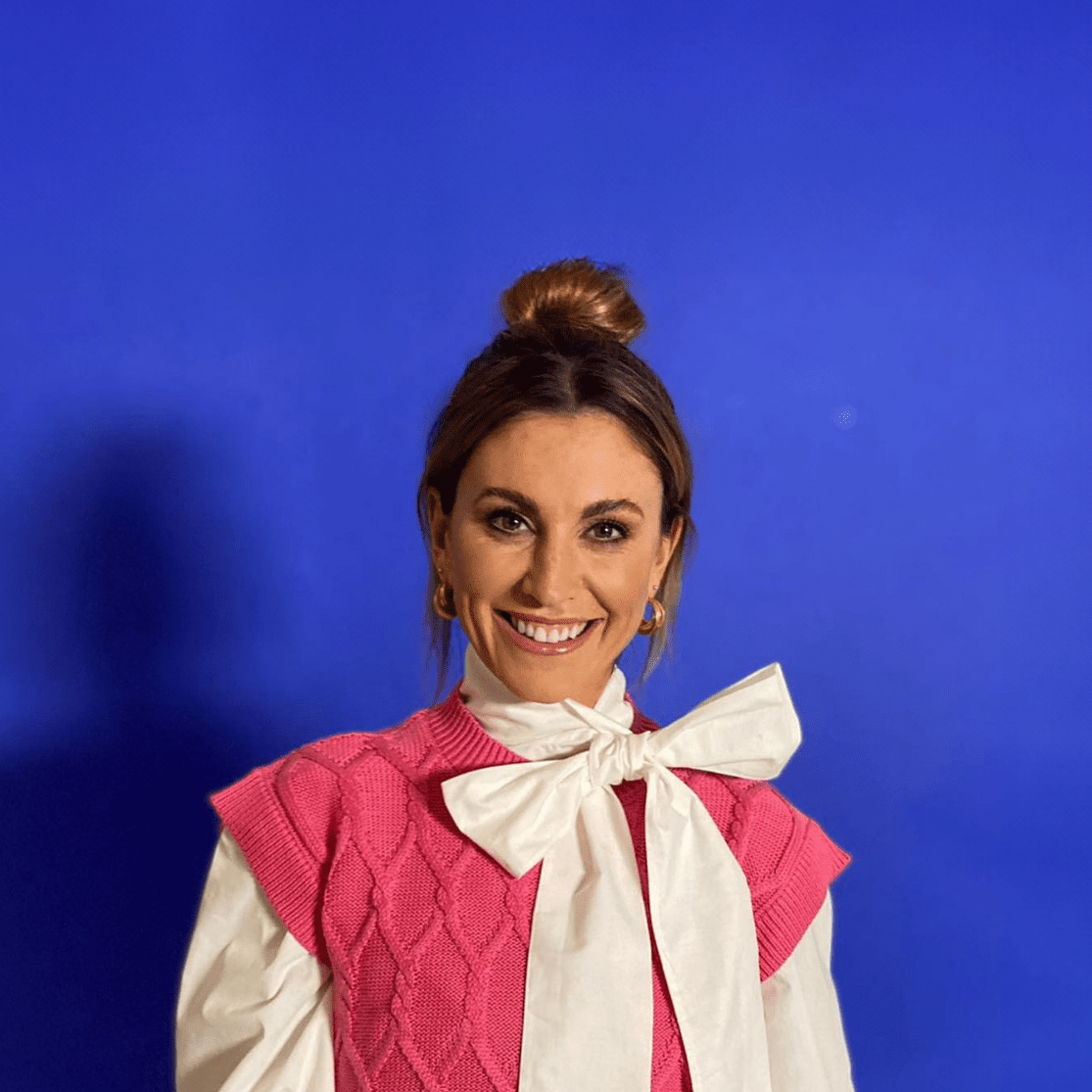
Introduction: Who Is Orla Chennaoui?
Orla Chennaoui is an Irish sports journalist and broadcaster who has become widely recognised for her work in cycling and international sports coverage. With a career built around storytelling, interviews, and sports analysis, she has established herself as one of the respected voices in modern sports journalism.
Over the years, Orla Chennaoui has covered some of the biggest events in professional cycling and has gained recognition for her ability to explain the technical aspects of the sport while also highlighting the personal journeys of athletes. Her broadcasting style combines knowledge, curiosity, and a strong focus on the human side of competition.
Sports journalism has changed significantly in recent years, with audiences looking for more than just results and statistics. Fans want to understand the personalities, challenges, and emotions behind sporting achievements. Chennaoui’s work reflects this modern approach by combining expert analysis with engaging storytelling.
Her career represents the growing influence of women in sports media and demonstrates the importance of expertise, preparation, and communication skills in broadcasting.
Early Life and Background of Orla Chennaoui
Childhood and Irish Heritage
Orla Chennaoui was born in Ireland and developed an interest in communication and storytelling from an early stage. Her Irish background has remained an important part of her identity and has influenced the warmth and approachability she brings to her broadcasting work.
While she is known publicly for her professional achievements, she has generally kept details about her early personal life private. Her public image has mainly been shaped by her journalism career, interviews, and contributions to sports coverage.
Growing up with an interest in storytelling helped build the foundation for a career where communication would become central. Journalism requires curiosity about people and events, and these qualities have been visible throughout her professional journey.
Education and Journalism Development
A successful journalism career requires a combination of research ability, communication skills, confidence, and adaptability. Orla Chennaoui developed these qualities through her education and early professional experiences.
Journalists must be able to understand present information clearly. These abilities became particularly important as Chennaoui moved into sports broadcasting, where understanding both the competition and the athletes is essential.
Her background helped prepare her for the fast-paced environment of television and live sports coverage.
Orla Chennaoui’s Journalism Career
Early Steps in Broadcasting
Orla Chennaoui began her career in journalism before becoming strongly associated with cycling coverage. Like many successful broadcasters, she developed her skills through different reporting roles and gained experience working with news, interviews, and storytelling.
Early journalism experience helps professionals learn how to research topics, meet deadlines, communicate with audiences, and adapt to changing situations.
These skills became valuable as Chennaoui moved into sports journalism, where live events often require quick thinking and detailed knowledge.
Transition Into Sports Journalism
Sports journalism requires a unique combination of passion and expertise. A sports broadcaster must understand the rules of competition while also creating stories that connect with viewers.
Orla Chennaoui’s transition into sports media allowed her to combine her communication abilities with an interest in athletic competition.
Her work gradually became associated with cycling, a sport that requires detailed knowledge of strategy, endurance, teamwork, and history.
Orla Chennaoui and Cycling Journalism
Becoming a Recognised Cycling Broadcaster
Cycling has become one of the most technically detailed sports in the world. Professional races involve complex tactics, team strategies, physical endurance, and unpredictable conditions.
Orla Chennaoui developed a reputation for making these complicated elements easier for audiences to understand. Her coverage helped introduce cycling concepts to both experienced fans and newcomers to the sport.
Her ability to combine technical explanations with engaging storytelling has been one of the key reasons for her popularity among cycling audiences.
Covering Major Cycling Competitions
Throughout her career, Chennaoui has been involved in coverage of major cycling events.
These competitions attract international audiences and require broadcasters to provide:
- Race analysis
- Athlete interviews
- Historical context
- Expert opinions
- Live commentary
Covering major sporting events requires preparation and a deep understanding of the competition. Broadcasters must follow athletes, understand team strategies, and explain developments as they happen.
Orla Chennaoui’s Work in Digital Sports Media
Expanding Cycling Content Online
The rise of digital media has transformed the way sports fans consume information. Traditional television coverage is now supported by online videos, podcasts, social media, and streaming platforms.
Orla Chennaoui has been part of this shift by contributing to modern digital cycling coverage.
Online platforms allow journalists to provide deeper analysis and connect with audiences directly. Fans can access interviews, discussions, and behind-the-scenes content that was not widely available in previous decades.
Reaching a Global Audience
Cycling has a worldwide fan base, and digital platforms have helped expand access to the sport.
Through online broadcasting and media content, cycling discussions can reach audiences across different countries and cultures.
Journalists like Chennaoui have helped make professional cycling more accessible by explaining the sport and sharing the stories of riders.
Orla Chennaoui’s Broadcasting Style
Focus on Athlete Stories
One of the strongest features of Orla Chennaoui’s journalism is her focus on the people behind the sport.
Athletes are often remembered for victories and achievements, but their journeys include years of training, sacrifices, injuries, challenges, and personal struggles.
By exploring these aspects, Chennaoui creates a deeper connection between athletes and audiences.
Her interviews often focus on understanding motivation, preparation, and the emotional experiences behind sporting performances.
Combining Knowledge With Storytelling
A successful sports broadcaster needs more than enthusiasm. They must understand the technical details of the sport while making those details interesting to viewers.
Chennaoui’s work combines:
- Sports knowledge
- Interview skills
- Clear explanations
- Personal storytelling
This approach allows audiences to enjoy sports coverage even if they are not experts.
Women in Sports Journalism and Orla Chennaoui’s Influence
Increasing Female Representation
Historically, sports journalism has often been dominated by male broadcasters and commentators. However, the industry has changed significantly, with more women gaining recognition for their expertise and professionalism.
Orla Chennaoui has become an example of successful female representation in sports media.
Her career demonstrates that knowledge and credibility are the most important qualities in journalism.
Encouraging Future Generations
The success of female sports journalists helps inspire younger generations interested in media careers.
Women entering sports broadcasting can look at professionals like Chennaoui as examples of how dedication and expertise can create opportunities.
Greater diversity in sports media also helps bring different perspectives to coverage and storytelling.
Orla Chennaoui and Women’s Cycling
Supporting the Growth of Women’s Sport
Women’s cycling has experienced significant growth, with increased attention, professional opportunities, and audience interest.
Media coverage plays an important role in promoting women’s sport. When athletes receive greater visibility, more people become aware of their achievements and challenges.
Orla Chennaoui has contributed to discussions surrounding women’s cycling and the importance of recognising female athletes.
Discussing Equality in Sports
Modern sports discussions often include topics such as:
- Equal opportunities
- Professional development
- Media attention
- Athlete support
- Recognition of achievements
Journalists help bring attention to these issues by creating conversations around the future of sport.
Challenges of Being a Sports Journalist
Working in a Fast-Paced Industry
Sports journalism can be demanding because events often happen quickly and require immediate reporting.
Broadcasters must prepare extensively while also being able to react in real time.
Challenges include:
- Tight schedules
- International travel
- Live broadcasting pressure
- Constant updates
- Maintaining accuracy
Orla Chennaoui’s career demonstrates the level of preparation and adaptability required to succeed in this environment.
Balancing Expertise and Accessibility
One challenge for sports journalists is explaining technical subjects without confusing audiences.
Cycling, for example, includes complex strategies that may be difficult for casual viewers to understand.
A skilled broadcaster must provide enough detail for experts while keeping the content accessible for new fans.
Personal Life of Orla Chennaoui
Maintaining Privacy
Although Orla Chennaoui is a recognised public figure, she has generally kept her personal life separate from her professional career.
Her public identity focuses mainly on her work as a journalist, broadcaster, and cycling expert.
Many successful media professionals choose to keep attention on their work rather than personal matters.
Professional Dedication
Throughout her career, Chennaoui has been recognised for her commitment to sports journalism.
Her work reflects a passion for storytelling and a desire to help audiences better understand athletes and competitions.
Conclusion
Orla Chennaoui has built a successful career by combining journalism expertise, sports knowledge, and a passion for storytelling. Her work in cycling coverage has helped audiences understand not only the competition itself but also the personal stories behind the athletes.
Through television, digital media, and interviews, she has become a respected voice in sports journalism. Her ability to explain complex sporting situations while connecting with audiences has made her a valuable contributor to modern broadcasting.
