



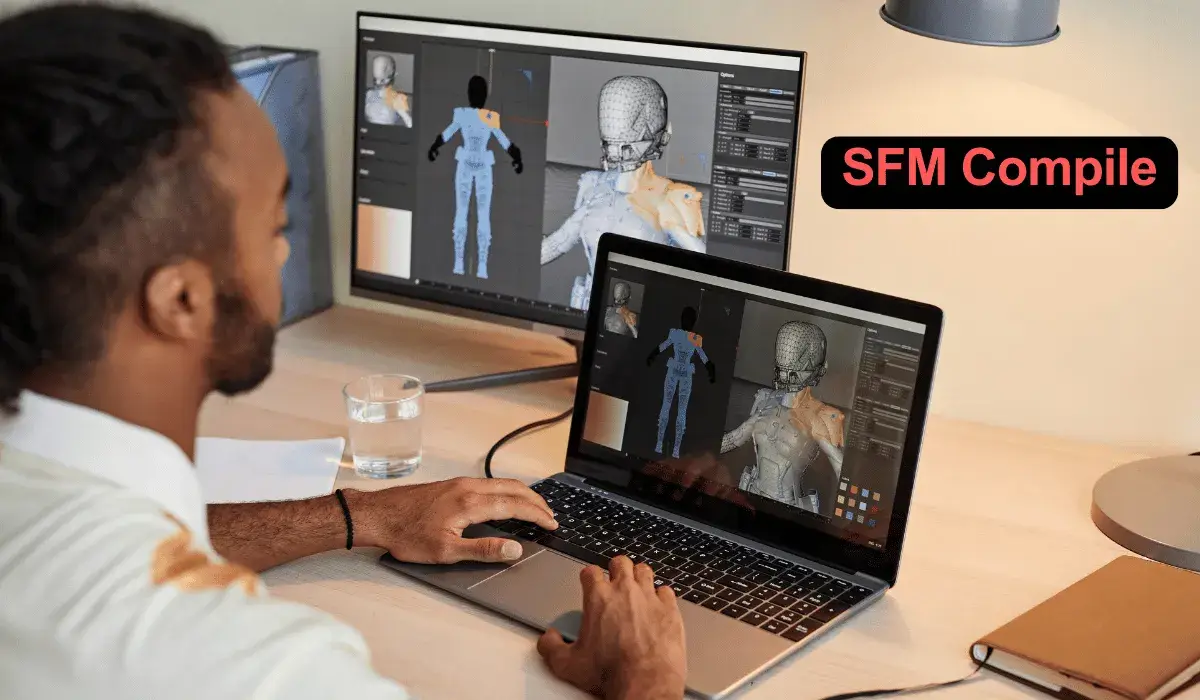
Source Filmmaker (SFM) has remained one of the most popular animation tools for gamers, content creators, and digital artists since its release by Valve. While creating scenes, adding camera movements, and animating characters are exciting parts of the creative process, the final step—SFM compile—is what transforms an editable project into a polished video that can be shared online. Understanding how the compile process works is essential for producing professional-looking animations with the best possible quality.
Many beginners assume sfm compile, is simply clicking the Export button, but there is much more happening behind the scenes. During compilation, Source Filmmaker renders every frame, applies lighting, effects, camera settings, motion blur, and anti-aliasing, then combines everything into a finished video or image sequence. Choosing the right compile settings directly affects rendering speed, image quality, file size, and compatibility with editing software.
Whether you are creating cinematic game trailers, YouTube animations, machinima videos, or portfolio projects, learning how SFM compile works can save hours of rendering time while improving the final output. This comprehensive guide explains the compilation process, recommended settings, common problems, optimization techniques, and best practices that help creators achieve consistently high-quality results.
What Is SFM Compile and Why Does It Matter?
SFM compile refers to the rendering process that converts an editable Source Filmmaker session into a completed video or sequence of images. During editing, SFM stores information about models, animations, lighting, particles, cameras, and sound without producing a finished video. The compile process calculates every visual element frame by frame before generating the final output. sfm compile,
Rendering is one of the most resource-intensive parts of animation because every frame must be processed individually. Lighting, reflections, shadows, ambient occlusion, depth of field, and motion blur all require additional calculations before a frame can be completed. Even a short animation lasting one minute can require thousands of rendered frames depending on the selected frame rate. sfm compile
For professional creators, compile quality directly impacts audience experience. Low-quality exports may introduce blurry textures, jagged edges, poor lighting, or compression artifacts, while optimized compile settings produce crisp visuals suitable for YouTube, portfolios, presentations, or commercial demonstrations.
Understanding How the SFM Rendering Pipeline Works
The rendering pipeline inside Source Filmmaker follows several stages before producing the final output. First, SFM loads all scene assets, including character models, environments, props, particle systems, textures, and lighting information. Every asset must be available before rendering begins. sfm compile,
Next, the software evaluates animation timelines, camera movement, facial expressions, physics simulations, and procedural effects. Dynamic elements like cloth movement, smoke, fire, and particles are calculated for each individual frame. Lighting calculations are then applied to every object, creating realistic shadows, highlights, and reflections throughout the scene.
Finally, anti-aliasing, motion blur, depth of field, color corrections, and post-processing effects are rendered before frames are written to the selected output format. Depending on project complexity, rendering may take anywhere from several minutes to many hours, especially for high-resolution cinematic animations. sfm compile,
Choosing the Best SFM Compile Settings
Selecting appropriate compile settings is one of the biggest factors affecting final quality. Resolution should always match the intended publishing platform. While 1920×1080 remains the standard Full HD format, many creators now render at 2560×1440 or even 3840×2160 for higher detail and future-proof content. sfm compile,
Frame rate also plays a significant role. Most SFM creators export animations at 30 FPS or 60 FPS. Higher frame rates create smoother motion but require more rendering time and larger output files. Cinematic projects often use 24 FPS for a traditional film appearance, while gaming-related animations frequently use 60 FPS for fluid movement.
Image quality settings such as anti-aliasing and motion blur should be carefully balanced against rendering speed. Higher sampling values reduce jagged edges and improve visual smoothness but significantly increase processing time. Testing short scenes before rendering an entire project helps determine the ideal balance between quality and efficiency. sfm compile
Export Formats and Image Sequence Rendering
Source Filmmaker offers multiple export methods depending on the creator’s workflow. One option is rendering directly to a video file, which is convenient for simple projects intended for immediate sharing. However, many experienced animators prefer exporting image sequences because they provide greater flexibility during post-production.
Rendering PNG, TGA, or other lossless image formats preserves maximum visual quality. Individual frames can later be imported into professional video editing software for color grading, transitions, visual effects, subtitles, and audio synchronization. If rendering stops unexpectedly, creators can often continue from the interrupted frame instead of restarting the entire animation. sfm compile
Lossless image sequences are particularly valuable for complex productions where every detail matters. They eliminate video compression artifacts during rendering and provide better control over the editing process before encoding the final video using specialized software.
Common SFM Compile Problems and Their Solutions
Compile failures occasionally occur, especially in large or highly detailed projects. One common issue involves missing textures or models, which may appear as bright purple or black surfaces during rendering. These problems typically result from incorrect asset installation or broken file paths.
Another frequent problem is unexpected crashes during compilation. Insufficient system memory, outdated graphics drivers, corrupted project files, or incompatible workshop assets can interrupt rendering. Saving incremental project versions and testing scenes before lengthy renders helps reduce the risk of losing significant progress.
Lighting inconsistencies may also appear between the preview window and final render. Rebuilding lighting, checking camera settings, verifying exposure controls, and ensuring all scene elements are fully loaded before compiling often resolve these visual discrepancies while improving overall image consistency.
Improving Render Quality Without Excessive Render Times
Achieving professional results requires balancing quality with efficiency. Increasing every available rendering option does not always produce visibly better output. Instead, experienced creators optimize settings according to the needs of each project.
Using carefully positioned lights rather than excessive light sources reduces rendering complexity while maintaining visual realism. Similarly, limiting unnecessary particle effects, hidden models, or unused assets decreases memory consumption and shortens compile duration without sacrificing image quality.
Testing small sections before rendering an entire animation is another valuable practice. Short sample renders reveal issues with lighting, shadows, facial animation, camera focus, and post-processing before hours of rendering time are invested in the complete project.
Hardware Requirements for Faster SFM Compilation
Although Source Filmmaker was originally designed for older hardware, modern systems significantly improve compile performance. Multi-core processors help manage animation calculations, physics simulations, and rendering tasks more efficiently than older dual-core CPUs.
System memory is equally important. Larger projects containing detailed environments, numerous characters, and high-resolution textures consume considerable RAM during rendering. Insufficient memory may cause slowdowns or crashes when compiling longer animations.
Fast solid-state drives also contribute to smoother workflows by reducing loading times for assets and accelerating the writing of rendered frames. While SFM primarily relies on CPU processing for many rendering tasks, a capable graphics card still improves viewport responsiveness during editing and assists certain graphical operations.
Advanced Workflow Tips for Professional SFM Creators
Professional animators often organize projects carefully before beginning the compile process. Keeping assets properly named, grouping cameras logically, and separating complex scenes into manageable sections makes troubleshooting much easier if rendering issues occur.
Many creators also perform color correction and final editing outside Source Filmmaker. Exporting high-quality image sequences allows advanced editing software to handle cinematic grading, sharpening, noise reduction, transitions, visual effects, and audio mastering with greater precision than rendering everything directly within SFM.
Regular backups are another essential habit. Large animation projects often represent dozens or even hundreds of hours of work. Maintaining multiple saved versions protects against corruption, accidental changes, or unexpected software crashes during long production cycles.
Best Practices for Publishing High-Quality SFM Videos
After compilation is complete, proper encoding ensures viewers experience the animation at its intended quality. Using modern codecs with appropriate bitrate settings preserves image clarity while keeping file sizes manageable for online platforms.
Creators should review the finished video carefully before publishing. Watching the animation from beginning to end helps identify missed rendering errors, audio synchronization issues, camera glitches, lighting inconsistencies, or compression artifacts that may not have been noticeable during editing.
Consistent branding, descriptive titles, optimized metadata, and well-designed thumbnails further enhance the presentation of SFM animations on video-sharing platforms. High-quality rendering combined with professional publishing practices increases audience engagement and reflects positively on the creator’s technical expertise.
Conclusion
SFM compile is far more than the final step in creating an animation—it is the stage where every creative decision comes together to produce a polished, shareable result. From selecting the right resolution and frame rate to optimizing render settings and choosing the appropriate export format, each decision influences the overall quality of the finished project. Understanding how the Source Filmmaker rendering pipeline works allows creators to avoid common mistakes while producing cleaner, sharper, and more professional animations.
As Source Filmmaker continues to be used by hobbyists, YouTubers, game enthusiasts, and digital artists around the world, mastering the compile process remains an essential skill. By applying efficient workflows, maintaining organized projects, using suitable hardware, and following proven rendering practices, creators can reduce rendering time while maximizing visual quality. Whether you are producing a short cinematic clip or a full-length animated project, a well-planned SFM compile workflow ensures that your creative vision is presented exactly as intended.
