



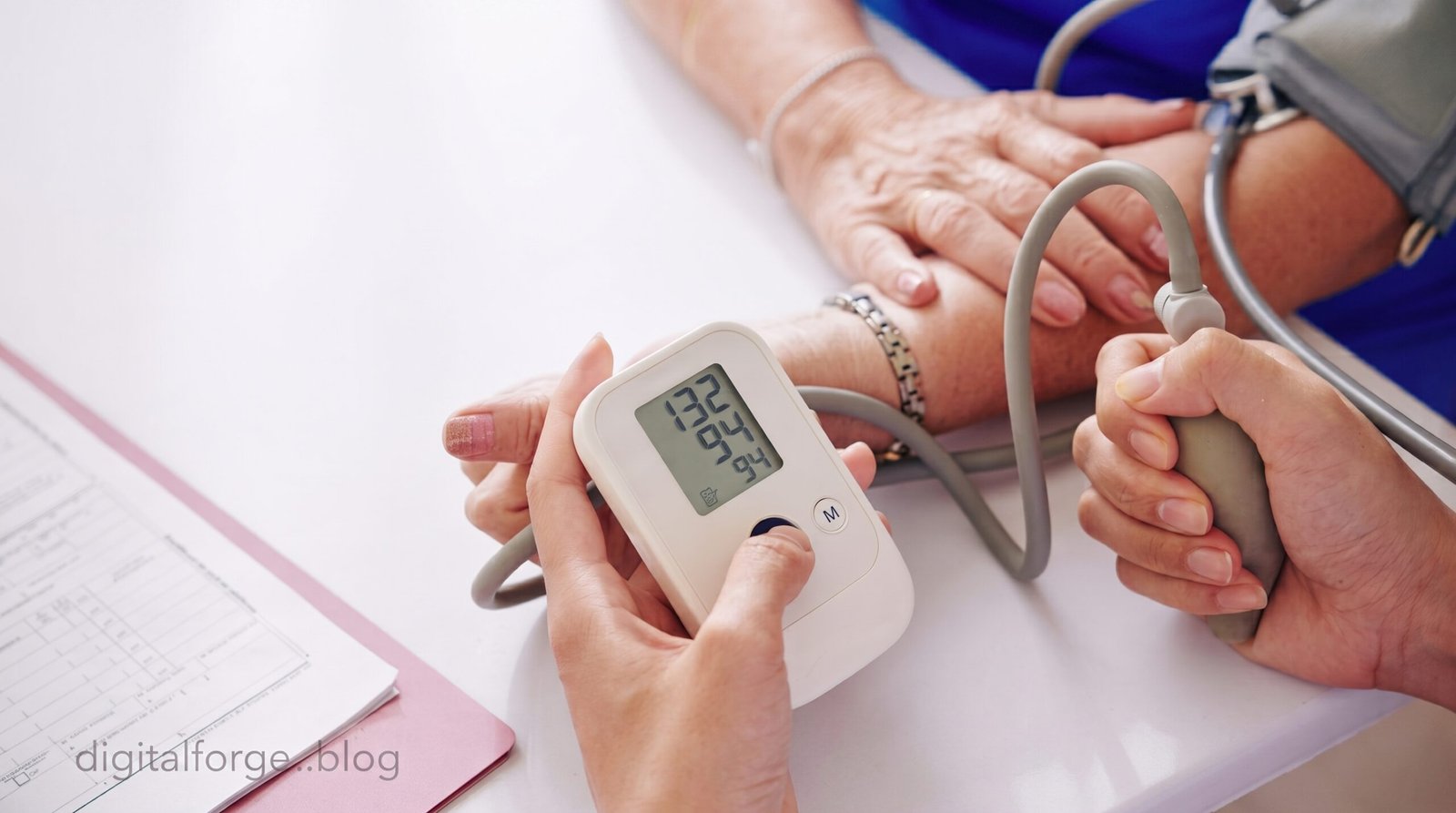
Blood pressure is an important measurement of overall cardiovascular health, and understanding what is normal blood pressure by age can help people recognize potentially concerning changes early. Blood pressure measures the force of circulating blood against the walls of the arteries as the heart pumps blood throughout the body. It is usually written as two numbers, such as 120/80 mm Hg, with the first number representing systolic pressure and the second representing diastolic pressure.
Many people assume that a higher blood pressure reading becomes normal as they get older. Although blood pressure commonly increases with age, particularly systolic blood pressure, age does not automatically make hypertension healthy. Current adult blood pressure guidelines generally classify normal blood pressure as below 120/80 mm Hg. The same basic adult categories are used across different age groups, although individual treatment goals can depend on a person’s overall health, cardiovascular risk, and medical history.
Understanding normal blood pressure by age is therefore more useful when combined with knowledge about systolic and diastolic pressure, hypertension, low blood pressure, accurate measurement techniques, lifestyle factors, and warning signs that require medical attention.
What Is Normal Blood Pressure?
what is normal blood pressure by age for most adults is a systolic reading below 120 mm Hg and a diastolic reading below 80 mm Hg. For example, a blood pressure measurement of 116/74 mm Hg would generally fall within the normal adult range. The numbers represent pressure at different stages of the heartbeat, so both measurements provide useful information.
Systolic blood pressure is the upper number and measures the pressure in the arteries when the heart contracts and pumps blood. Diastolic blood pressure is the lower number and measures the pressure in the arteries while the heart relaxes between beats. Blood pressure is expressed in millimeters of mercury, abbreviated as mm Hg.
A normal reading is generally a positive sign, what is normal blood pressure by age measurement does not provide a complete picture of cardiovascular health. Blood pressure naturally changes throughout the day and can be influenced by exercise, stress, caffeine, smoking, pain, illness, medications, sleep, and other factors. Repeated measurements taken under appropriate conditions can provide a more reliable picture of a person’s usual blood pressure.
What Is Normal Blood Pressure by Age for Adults?
There is no universally accepted rule stating that every adult should have a different normal blood pressure based solely on age. Instead, adult blood pressure is classified according to established ranges. Normal blood pressure is below 120/80 mm Hg, while readings from 120 to 129 systolic with a diastolic pressure below 80 are considered elevated.
Stage 1 hypertension generally begins at a systolic pressure of 130 to 139 mm Hg or a diastolic pressure of 80 to 89 mm Hg. Stage 2 hypertension begins at 140 mm Hg systolic or 90 mm Hg diastolic. These categories are important because either the systolic or diastolic measurement can place a reading into a higher category.
Blood pressure tends to become higher and hypertension becomes more common as people age. Changes in artery flexibility, body composition, physical activity, diet, kidney function, genetics, and other health factors can contribute to this trend. However, a higher average blood pressure among older adults should not be confused with an officially higher definition of normal blood pressure.
Normal Blood Pressure in Young Adults
Young adults can also develop elevated blood pressure and hypertension, even though high blood pressure is generally more common later in life. A healthy lifestyle during the twenties and thirties can be valuable for maintaining cardiovascular health and reducing future risk. Regular physical activity, a balanced diet, healthy body weight, sufficient sleep, and avoiding tobacco can all contribute to healthier blood pressure.
A young adult with a reading below 120/80 mm Hg would generally be considered to have normal blood pressure. what is normal blood pressure by age A reading consistently above that range may require closer monitoring, particularly when there are additional cardiovascular risk factors or a family history of hypertension.
It is also important not to assume that a high reading in a young person is harmless. High blood pressure can occur without obvious symptoms, and early detection provides an opportunity to address lifestyle factors and, when necessary, receive appropriate medical care.
Normal Blood Pressure in Middle Age
During middle adulthood, blood pressure can gradually increase as cardiovascular risk factors accumulate. Changes in physical activity, weight, diet, stress, sleep, alcohol consumption, and metabolic health may all influence blood pressure. Genetics and family history can also play an important role.
For middle-aged adults, normal blood pressure remains below what is normal blood pressure by age current adult classification. A systolic reading between 120 and 129 with a diastolic reading below 80 is categorized as elevated rather than normal. Persistent readings of 130/80 mm Hg or higher fall into a hypertension category.
Regular blood pressure checks become particularly useful during this stage of life because hypertension may develop gradually without noticeable symptoms. Monitoring can help identify changes before they contribute to complications involving the heart, brain, what is normal blood pressure by age, or blood vessels.
Normal Blood Pressure in Older Adults
Older adults are more likely to experience high blood pressure, especially increased systolic pressure. One reason is that arteries naturally become less elastic with age. Other factors, including kidney function, medications, reduced physical activity, changes in weight, diet, and existing cardiovascular conditions, can also affect blood pressure.
Despite these age-related changes, older adults should not assume that significantly high blood pressure is normal simply because they are older. Adult blood pressure categories do not become automatically more permissive with age. Healthcare professionals may establish individualized treatment targets depending on a person’s health status, frailty, what is normal blood pressure by age, medications, and ability to tolerate treatment.
Older adults can also experience low blood pressure, particularly when taking certain medications or when dehydration, illness, or other conditions are present. A blood pressure reading that is unusually low for an individual can be important when it is accompanied by dizziness, fainting, weakness, confusion, or other symptoms.
What Do Systolic and Diastolic Blood Pressure Mean?
The systolic number indicates the pressure created when the heart contracts. It is the first number in a blood pressure reading. what is normal blood pressure by age, in a measurement of 128/78 mm Hg, 128 is the systolic pressure. Systolic blood pressure is particularly important because it tends to increase with age and can become the primary abnormal measurement in many older adults.
The diastolic number is the pressure in the arteries while the heart is resting between contractions. In a reading of 128/78 mm Hg, 78 is the diastolic pressure. Although diastolic pressure may behave differently from systolic pressure as people age, it remains an important part of blood pressure assessment.
what is normal blood pressure by age should therefore be considered as a whole. Someone may have an elevated systolic pressure while their diastolic pressure remains within a lower range. This is sometimes described as isolated systolic hypertension and is particularly common among older adults. A healthcare professional can determine what a particular pattern means in the context of the person’s overall health.
Why Blood Pressure Changes With Age
Age is associated with several physiological changes that can influence blood pressure. Arteries can gradually become stiffer, and the body’s blood vessels may not expand and contract as easily as they did earlier in life. These changes can contribute to increases in systolic blood pressure.
Lifestyle factors can become increasingly important as well. Reduced physical activity, excess body weight, high sodium consumption, excessive alcohol intake, chronic stress, inadequate sleep, and certain medications or health conditions can contribute to elevated blood pressure. Family history can increase susceptibility, meaning some people may develop hypertension despite maintaining generally healthy habits.
what is normal blood pressure by age often increases with age explains why hypertension is common among older adults, but it does not mean that hypertension should be ignored. Persistent high blood pressure places additional strain on blood vessels and the cardiovascular system and can increase the risk of serious health complications over time.
Normal Blood Pressure for Children and Teenagers
Children and teenagers are assessed differently from adults because their bodies are still growing. Pediatric blood pressure interpretation considers factors what is normal blood pressure by age, sex, and height rather than simply applying adult thresholds. A blood pressure reading that would be interpreted one way in an adult may require a different interpretation in a child.
Healthcare professionals can compare a child’s measurement with appropriate pediatric reference values to determine whether the blood pressure is within an expected range. This is why parents should avoid relying on a generic adult blood pressure chart when trying to interpret a child’s reading.
As children grow into adolescence, blood pressure patterns gradually change. Persistent elevated readings should be evaluated by a pediatric healthcare professional, particularly when measurements are repeatedly outside the expected range or when other health concerns are present.
How to Measure Blood Pressure Correctly
Accurate blood pressure measurement is essential because incorrect technique can produce misleading results. Before taking a reading, a person should ideally rest quietly for several minutes. Sitting with the back supported and feet flat on the floor can help create a consistent measurement position. The arm should be supported at approximately heart level.
An appropriately sized upper-arm cuff should be placed directly against the skin rather than over clothing. Talking, what is normal blood pressure by age, or becoming distracted during the measurement can affect the result. Caffeine, smoking, alcohol, and exercise shortly before measurement can also influence blood pressure.
When monitoring blood pressure at home, taking more than one measurement and recording the results can help identify patterns. Home readings can provide valuable information to healthcare professionals, particularly when measurements are taken consistently under similar conditions. A single unexpected result should generally be considered in context rather than treated as a diagnosis by itself.
What Causes High Blood Pressure?
High blood pressure can result from a combination of genetic, environmental, lifestyle, and medical factors. Increasing age, excess weight, what is normal blood pressure by age, high sodium intake, excessive alcohol consumption, chronic stress, and certain dietary patterns can increase the likelihood of hypertension. Family history can also make a person more susceptible.
Some medical conditions can affect blood pressure as well. Kidney disease, sleep-related breathing disorders, what is normal blood pressure by age hormonal problems, and certain cardiovascular conditions may contribute to hypertension. Some prescription and over-the-counter medicines can also raise blood pressure in certain individuals.
One of the biggest challenges with hypertension is that it frequently produces no obvious symptoms. A person can feel perfectly well while having persistently elevated blood pressure. This is why routine blood pressure measurement is important even when someone does not feel sick.
How to Keep Blood Pressure Healthy
Maintaining a healthy blood pressure involves long-term habits rather than a single action. Regular physical activity supports cardiovascular fitness, what is normal blood pressure by age while maintaining a healthy body weight can reduce pressure on the cardiovascular system. A nutritious eating pattern that emphasizes vegetables, fruits, whole grains, lean protein, and other nutrient-rich foods can also support heart health.
Reducing excessive sodium intake may be particularly helpful for people whose blood pressure is sensitive to sodium. The DASH eating pattern is commonly recommended as one approach to supporting healthy blood pressure. what is normal blood pressure by age Adequate dietary potassium may also be beneficial for some people, although individuals with certain kidney conditions or those taking particular medications should discuss potassium intake with a healthcare professional.
Sleep and stress management should not be overlooked. Poor sleep and chronic stress can negatively affect cardiovascular health and may contribute to what is normal blood pressure by age. Avoiding tobacco and limiting excessive alcohol consumption are also important components of cardiovascular risk reduction.
When Is Blood Pressure Considered Too High?
Blood pressure that repeatedly measures 130/80 mm Hg or higher falls within a hypertension category under current adult guidelines. However, diagnosis should not generally be based on a single isolated measurement. Healthcare professionals may use repeated office measurements, home monitoring, or other approaches to determine whether elevated blood pressure is persistent.
Very high blood pressure requires particular attention. A reading above 180/120 mm Hg should be checked again after a short period of rest. If it remains that high, what is normal blood pressure by age prompt medical advice is appropriate. If severe blood pressure elevation occurs together with symptoms such as chest pain, shortness of breath, weakness, numbness, vision changes, severe back pain, or difficulty speaking, emergency medical attention is necessary.
what is normal blood pressure by age can also be significant when it causes symptoms. Dizziness, fainting, unusual weakness, what is normal blood pressure by age, or falls may indicate that blood pressure is too low for a particular individual or that another health problem is present. The importance of a blood pressure reading depends not only on the number but also on symptoms and the person’s overall circumstances.
Conclusion: Understanding Normal Blood Pressure by Age
When people search for “what is normal blood pressure by age,” the most important thing to understand is that adults do not have a separate official normal blood pressure number for every age. For most adults, normal blood pressure is below 120/80 mm Hg. Although blood pressure commonly increases with age, particularly systolic pressure, a higher reading does not automatically become normal simply because someone is older.
Understanding blood pressure requires looking at both systolic and diastolic numbers, recognizing patterns over time, and using accurate measurement techniques. what is normal blood pressure by age Children and teenagers require different reference standards because their blood pressure is interpreted according to factors such as age, sex, and height.
Healthy lifestyle habits, regular monitoring, and appropriate medical care can all contribute to better blood pressure management. If readings remain consistently elevated, or if very high or unusually low readings are accompanied by concerning symptoms, professional medical evaluation is important. Ultimately, what is normal blood pressure by age knowing your blood pressure and understanding what the numbers mean can be an important step toward protecting long-term heart and cardiovascular health.
